Kitchen · Sintered Stone
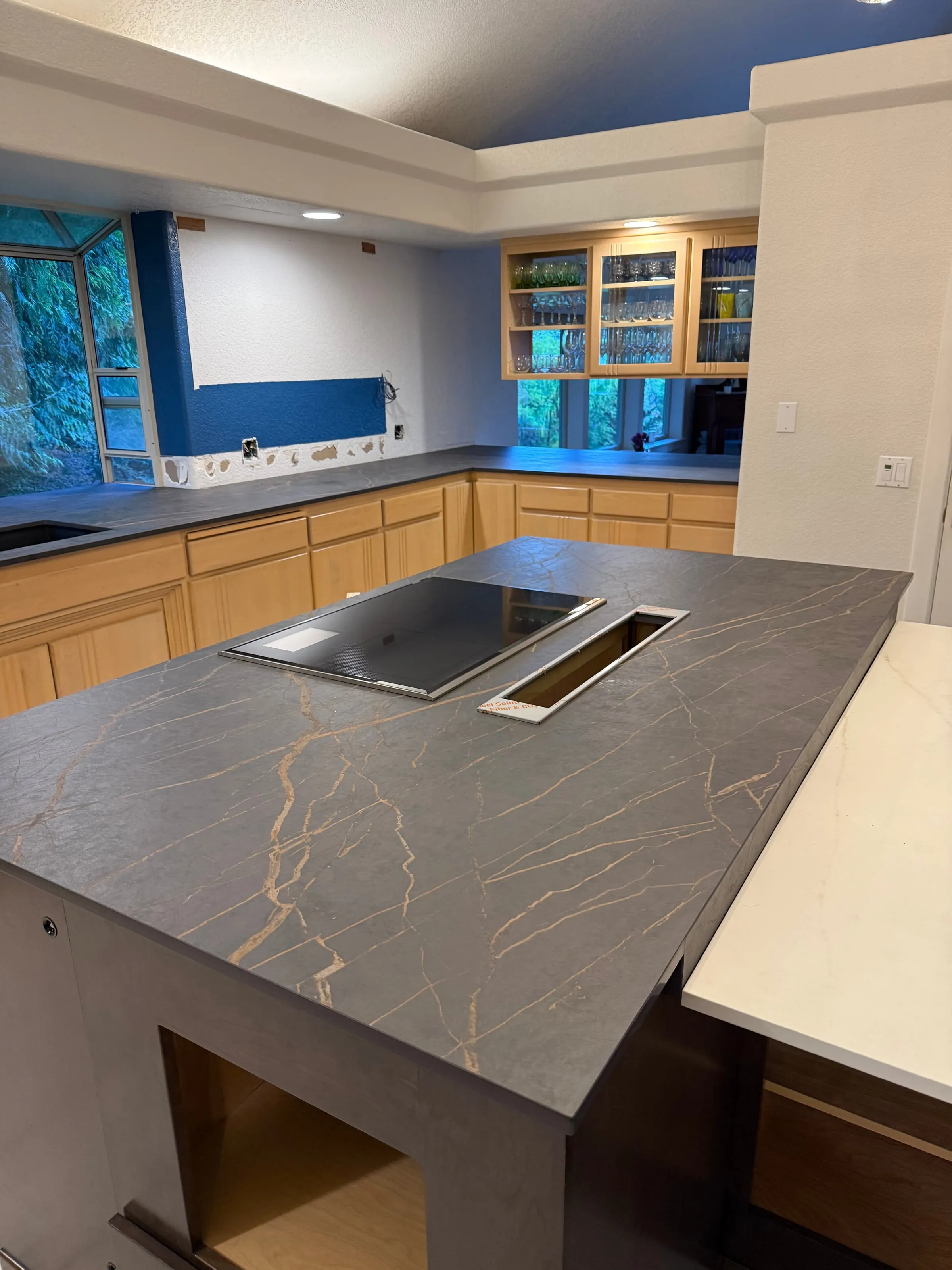
Seattle Contemporary Kitchen in Dekton Laos and Lapitec
Seattle, WA
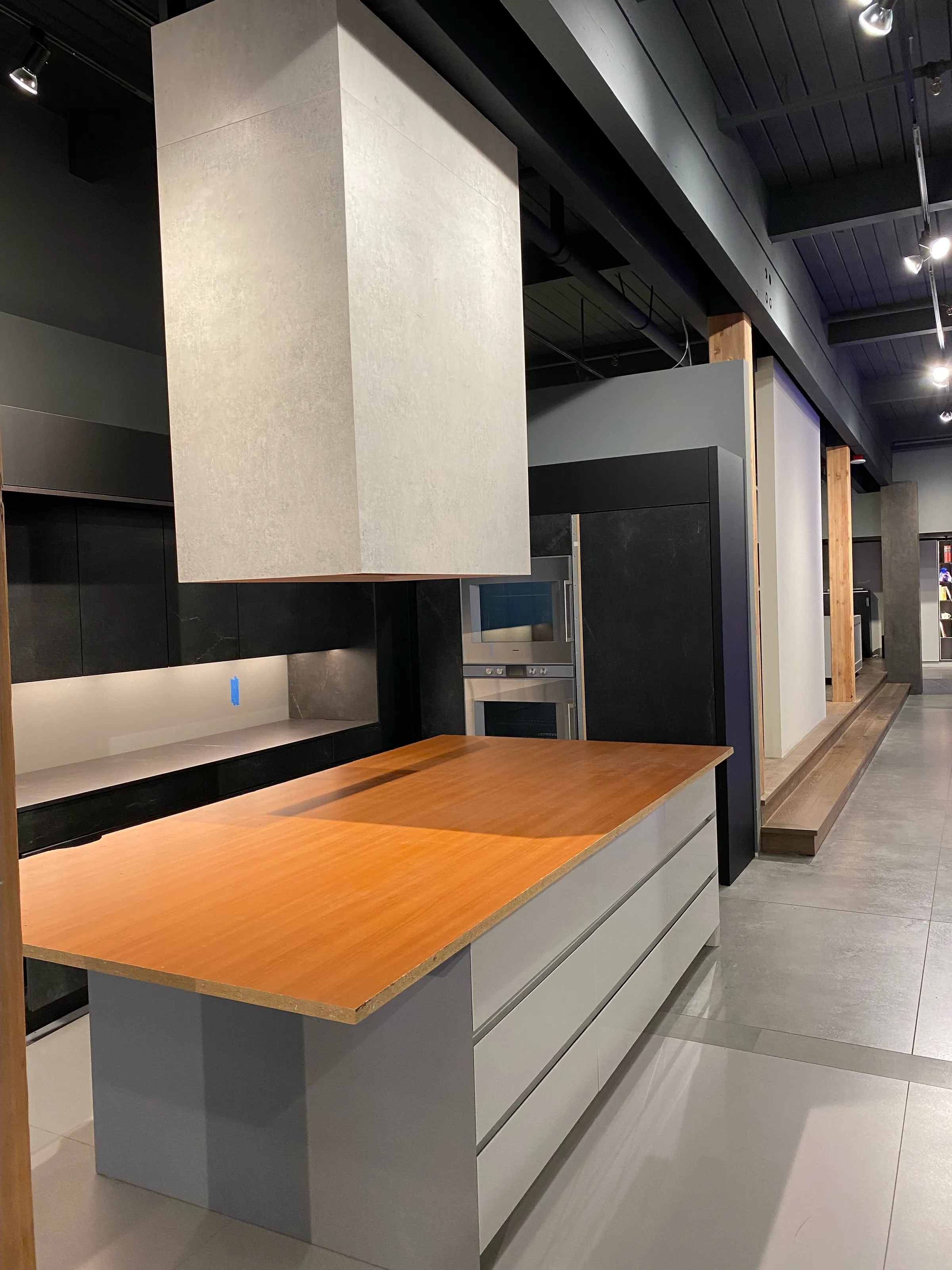
A contemporary Seattle kitchen with Dekton Laos countertops, a Lapitec island with an induction cooktop and a stone-wrapped hood.
Read case studyIntegrated Technology
Today's induction cooktops can sit level with your countertop or vanish beneath it. Both give you fast, precise cooking and an unbroken stone surface.
The guides below explain what each approach needs from your slab, cabinets and electrical, so you can choose before the kitchen is built.
Cooktops
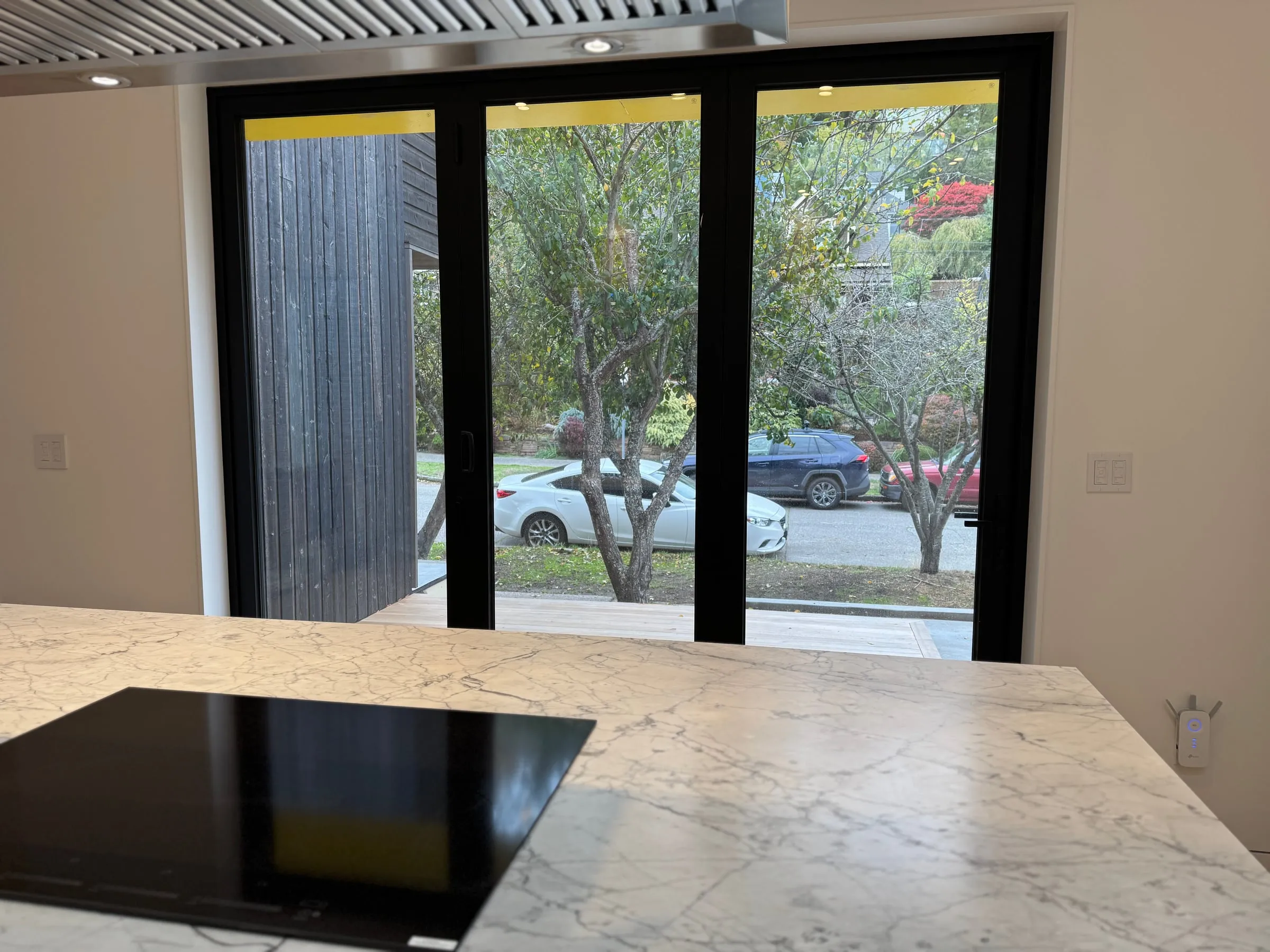
Induction cooking beneath a thin porcelain or sintered stone slab, with no visible appliance.
Explore Hidden Cooktops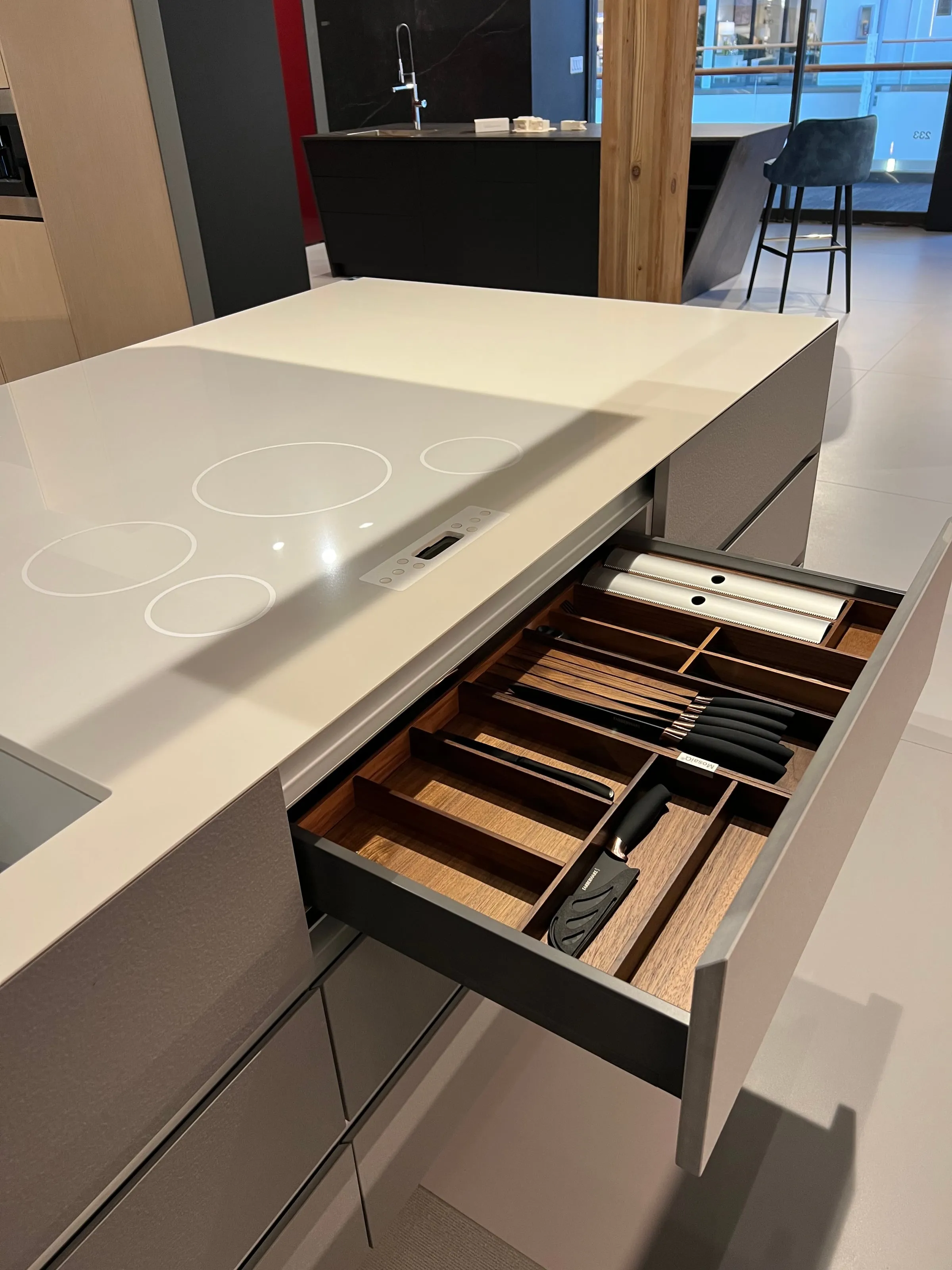
Flush-mounted induction cooktops set level with the stone for one continuous line.
Explore Induction Cooktops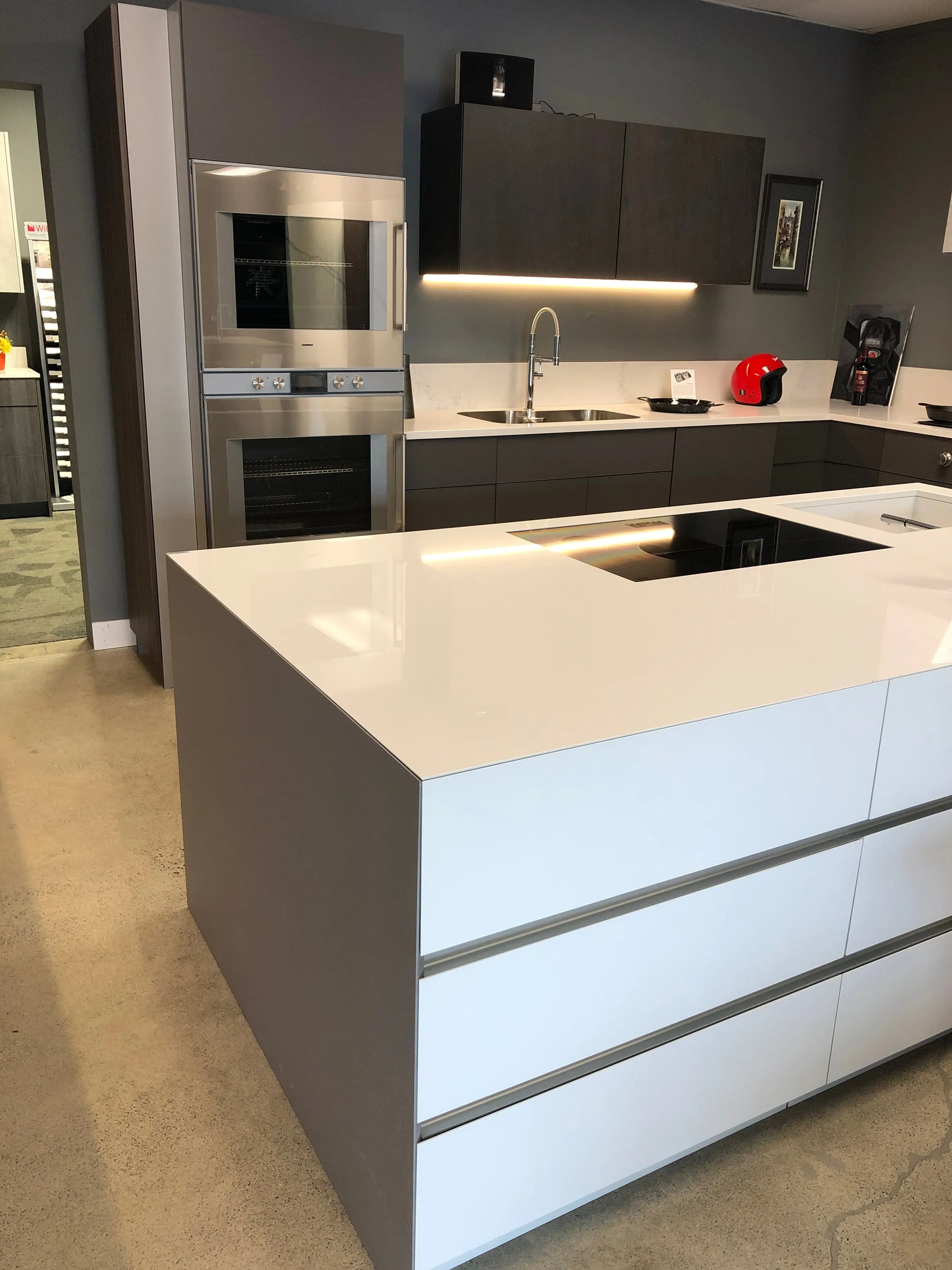
Invisacook hidden induction models, what they need, and how to choose between them.
Explore Invisacook Cooktops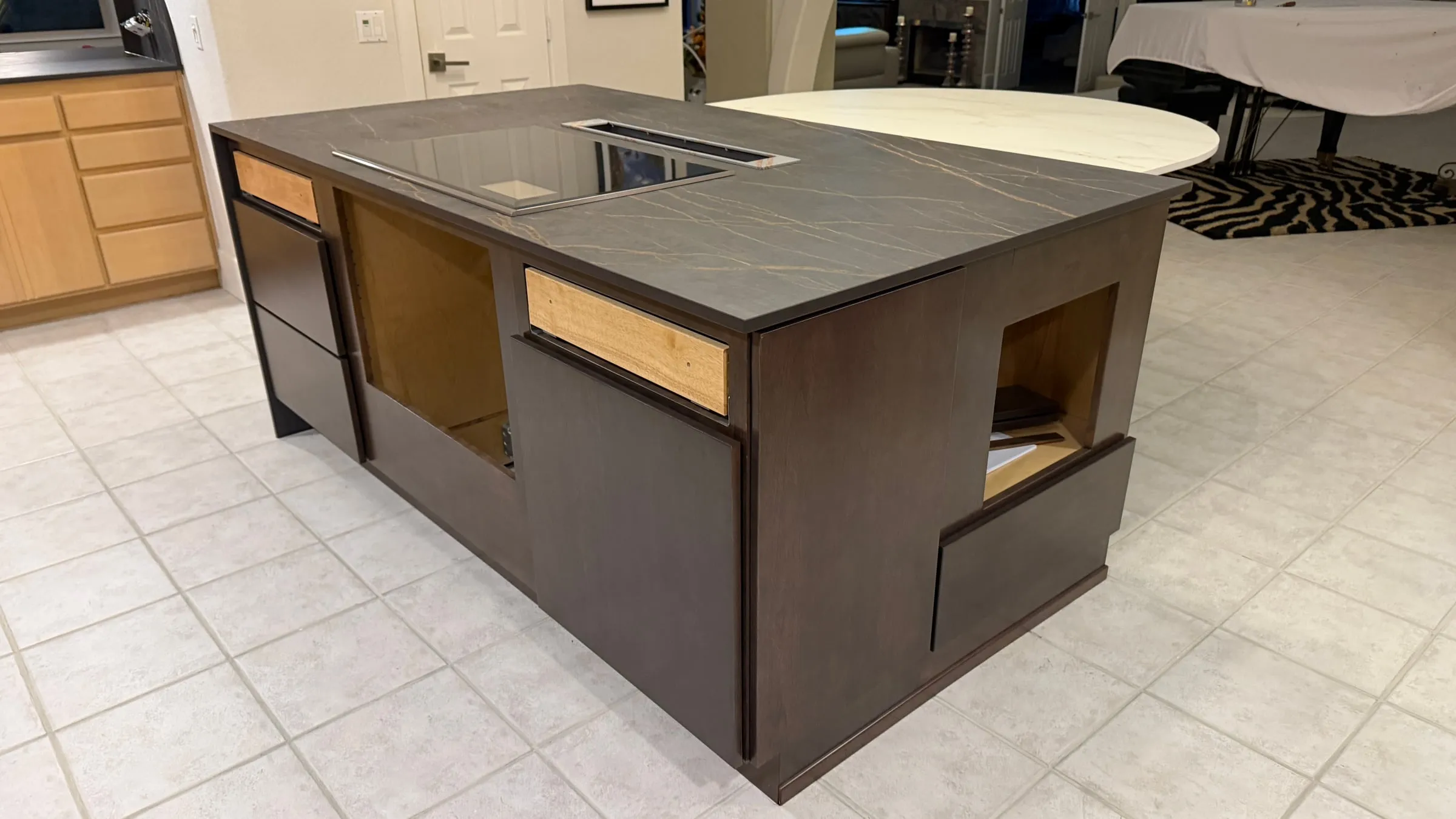
How an Invisacook hidden induction cooktop is measured, fabricated and installed beneath stone.
Explore Invisacook InstallationScope of work
A cooktop set level with the stone through a precise stepped cutout, so there is no raised lip.
An induction unit mounted under a thin porcelain or sintered stone slab, so the countertop itself becomes the cooking surface.
Models and requirements for Invisacook hidden induction, one of the established hidden cooktop systems.
We specify cutouts from the manufacturer drawing and confirm your slab suits the system before fabrication.
Plan ahead
Case studies
Kitchen · Sintered Stone
Seattle, WA
A contemporary Seattle kitchen with Dekton Laos countertops, a Lapitec island with an induction cooktop and a stone-wrapped hood.
Read case studyQuestions
Share photos, rough sizes and the material you like. We will help you take the next step.