Materials
Quartzite Countertops in Seattle and the Eastside
A hard natural stone with the veining of marble and the toughness to handle a busy kitchen.
In plain language
What Quartzite Is and How It Behaves
- Natural stone
- Hard and durable
- Sealing needed
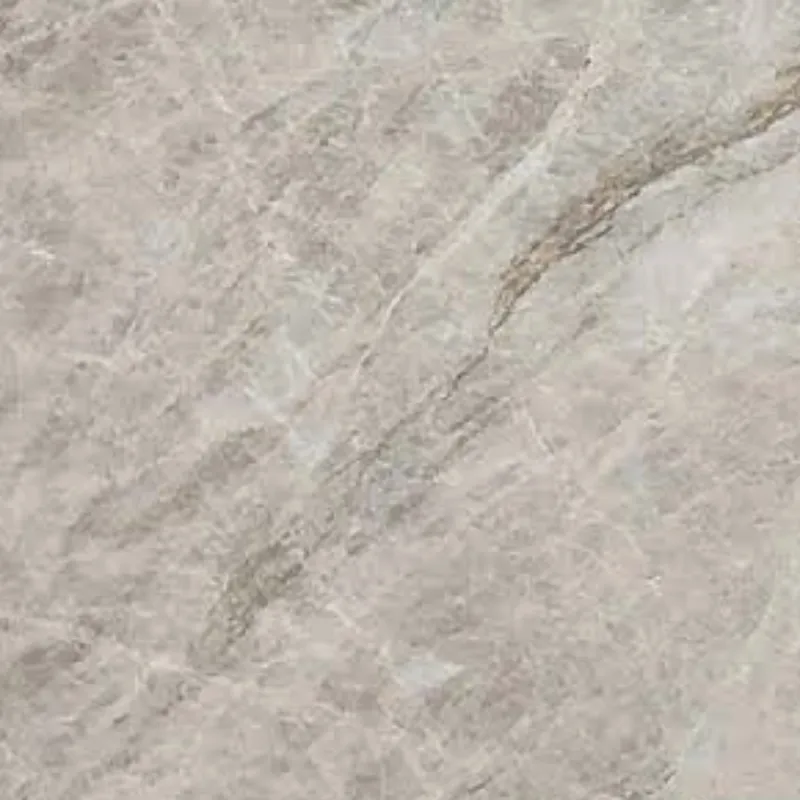
Quartzite is a natural metamorphic stone formed when sandstone is changed by heat and pressure. It is harder than granite and often looks like marble, with soft veining and depth that engineered surfaces cannot copy.
Every slab is one of a kind, so we ask you to approve the exact slab in person. Quartzite has some natural porosity, so it needs sealing and a little care with acidic spills on lighter varieties.
Honest trade-offs
Quartzite: Strengths and Cautions
Strengths
- Very hard, so it resists scratching well
- Handles hot pans well
- Marble-like veining without marble's softness
- Every slab is unique
Cautions
- Needs sealing, and resealing over time
- Acidic spills left to sit can dull lighter varieties
- Slab-to-slab variation means you must approve the exact slab
Real projects
Quartzite Colors and Patterns
Where it works
Where Quartzite Works Best
- Statement kitchens
- Islands
- Bathroom vanities
- Outdoor kitchens with extra care
Real projects
Quartzite Installed
At a glance
Quartzite: Natural Stone with Marble Looks and Granite Strength
Quartzite is a natural rock, not a manufactured product. It starts as sandstone and is transformed by heat and pressure deep underground until the quartz grains fuse into a dense, crystalline stone. Quarries, mainly in Brazil, India and Italy, cut the blocks into slabs and polish them, with no resins or engineered components.
It is one of the hardest natural countertop surfaces, generally harder than granite, and it carries the depth, veining and movement that engineered surfaces imitate. Modern diamond-wire saws and waterjet cutting now deliver slab sizes and finishes that were not available a generation ago.
Varieties
Quartzite Varieties Clients Ask About
Varieties that come up most often include Taj Mahal (warm beige with subtle veining), Super White (bright white with grey drift), Sea Pearl (grey-green with movement), Macaubas Fantasy (cool whites with blue and gold veining), White Macaubas, Fantasy Brown, Patagonia (dark with dramatic veining), Mont Blanc, Perla Venata, Crystallo and Royal Blue Macaubas.
Every quartzite slab is one of a kind, and patterns can shift a lot even within one variety. That is why we always have clients choose the actual slab in person before fabrication. Slab viewings are by appointment.
Side by side
Quartzite Compared with Other Countertop Surfaces
| Criterion | Quartzite | Engineered quartz | Granite | Marble | Porcelain |
|---|---|---|---|---|---|
| Hardness | Very hard | Hard | Hard | Soft | Very hard |
| Heat | Very high | Lower: use a trivet | Very high | Good | Very high |
| Sealing | Periodic | Never | Periodic | Frequent | Never |
| Stains | Good when sealed | Excellent | Good when sealed | Stains and etches | Excellent |
| Look | Marble-like, dramatic veining | Consistent engineered patterns | Granular, speckled | Classic veining | Consistent engineered patterns |
| Outdoor and UV | Yes, with care | Most brands indoor only | Yes | No | Yes |
Care
Sealing and Everyday Care
Quartzite has some natural porosity, so it is sealed at installation and should be resealed periodically, more often in kitchens that see a lot of citrus or red wine. Resealing is straightforward: wipe the sealer on, wait the time on the label, buff it off.
Daily cleaning is soap and water. Avoid leaving acidic liquids pooled on lighter varieties overnight, which can slightly dull the polish. Compared with marble, quartzite resists scratching better and does not etch from common kitchen acids in the same way.
Outdoors
Quartzite for Outdoor Kitchens
Quartzite works outdoors in the Pacific Northwest climate. It does not fade in sunlight and tolerates freeze and thaw, so it suits outdoor kitchens, barbecue surrounds, fire pit caps and patio bar tops. Outdoors it should be sealed more often with an outdoor-rated stone sealer. Lighter varieties can show water spotting; darker quartzites handle outdoor exposure best.
Questions
Quartzite: Your Questions Answered
Interested in Quartzite? Get a free quote
Share photos, rough sizes and the material you like. We will help you take the next step.