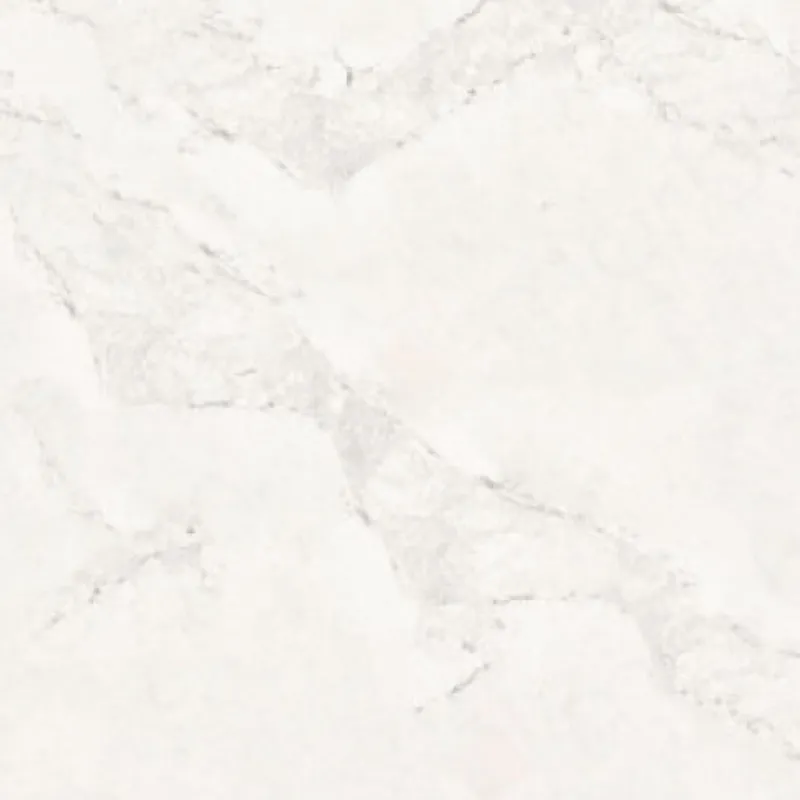
Materials
Quartz Countertops in Seattle and the Eastside
Engineered quartz is a non-porous, low-maintenance surface with consistent color and pattern.
In plain language
What Quartz Is and How It Behaves
- Non-porous surface
- No sealing needed
- Consistent patterns
Engineered quartz is made from ground natural quartz bound with polymer resins and pigments, then pressed and cured into slabs. The result is a hard, non-porous surface that resists stains and scratches.
Because it is made in a factory, the color and pattern stay consistent from slab to slab, which helps on large kitchens that need several pieces. The resin is the one weak point: high heat can damage it, so trivets matter.
Honest trade-offs
Quartz: Strengths and Cautions
Strengths
- Non-porous, so it never needs sealing
- Resists stains and scratches
- Consistent color and pattern across slabs
- Many colors, from clean whites to marble looks and darks
Cautions
- High heat can damage the resin, so use trivets
- Most brands are meant for indoor use
- Cannot be carved into an integrated sink basin
Real projects
Quartz Colors and Patterns
Where it works
Where Quartz Works Best
- Kitchen countertops
- Bathroom vanities
- Islands and waterfall edges
- Commercial surfaces
Real projects
Quartz Installed
Brands
Brands We Fabricate in Quartz
At a glance
Engineered Quartz: Consistent, Non-Porous Surfaces from Many Brands
Engineered quartz combines natural quartz crystals, one of the hardest minerals, with pigments and polymer resins, pressed and cured into slabs. The result is a non-porous, scratch-resistant and stain-resistant surface that never needs sealing.
Because it is manufactured, quartz is consistent from slab to slab. Looks range from clean whites and marble-style veining to bold industrial tones and warm organics, across premium and value lines. Some manufacturers now also offer collections with recycled content or reduced crystalline silica; ask us about the specific line you like.
Brands and collections
Quartz Brands and Looks Our Clients Ask About
Clients most often ask about Caesarstone, Cambria, Silestone, MSI Q, Q Premium Natural Quartz and Vicostone. Popular looks include Calacatta-style whites with bold veining, soft Carrara-style greys, pure whites without veining and light to mid greys.
Caesarstone collections clients mention include Supernatural, Classico, Metropolitan, Whitelight, Dark and ICON, with colors such as Calacatta Nuvo, Statuario Maximus, Organic White, Frosty Carrina, Empira White and Piatra Grey. We arrange a showroom viewing so you can compare full slabs before anything is cut.
Side by side
Engineered Quartz Compared with Other Countertop Surfaces
| Criterion | Engineered quartz | Granite | Marble | Porcelain | Sintered stone |
|---|---|---|---|---|---|
| Composition | Mostly natural quartz with resins | Natural igneous stone | Natural metamorphic stone | Ceramic clay and minerals, fired | Sintered minerals, no resin |
| Sealing | Never | Periodic | Frequent | Never | Never |
| Heat | Lower: use a trivet | Very high | Good | Very high | Very high |
| Scratches | High resistance | High resistance | Scratches easily | Very high resistance | Very high resistance |
| Stains | Excellent | Good when sealed | Stains and etches | Excellent | Excellent |
| Outdoor and UV | Most brands indoor only | Yes | No | Yes | Yes |
| Best for | All-around kitchens and baths | Heat-heavy kitchens, outdoor | Statement pieces, baths | Modern, large-format, outdoor | Outdoor and heavy-duty surfaces |
Living with quartz
Heat, Sunlight and Everyday Care
- Use a trivet: the resin in quartz can be marked by very hot pans.
- Keep most quartz indoors: many brands are not rated for direct sunlight.
- Clean with soap and water; quartz never needs sealing.
- Pick the actual slab in person when the pattern has veining, so seams and vein direction can be planned.
Questions
Quartz: Your Questions Answered
Interested in Quartz? Get a free quote
Share photos, rough sizes and the material you like. We will help you take the next step.