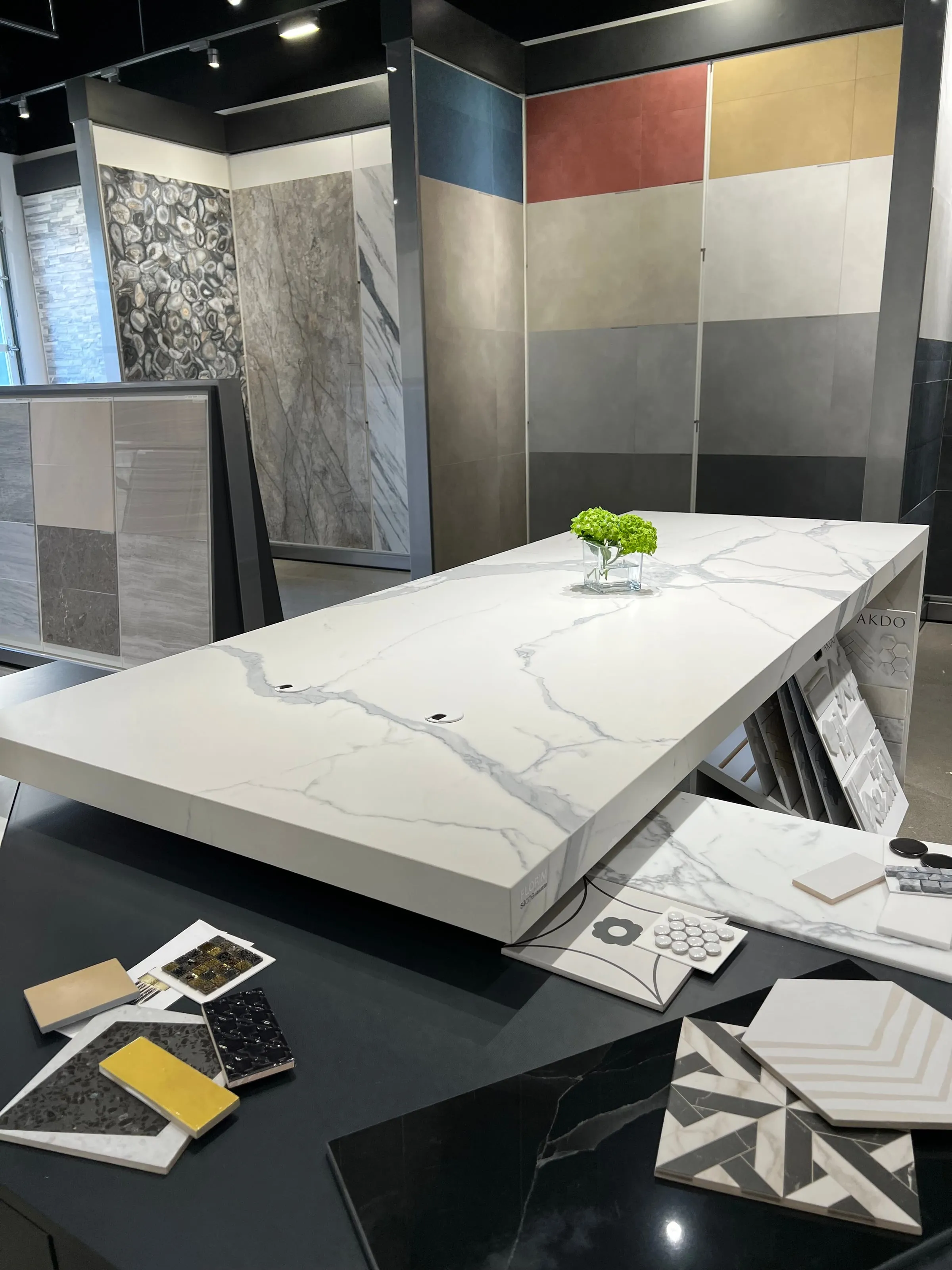
Materials
Countertop Materials Compared in Plain Language
Quartz, quartzite, marble, porcelain, sintered stone and granite: what each is, where it shines and what to watch for.
Six materials
Pick a Material to See Its Strengths and Cautions
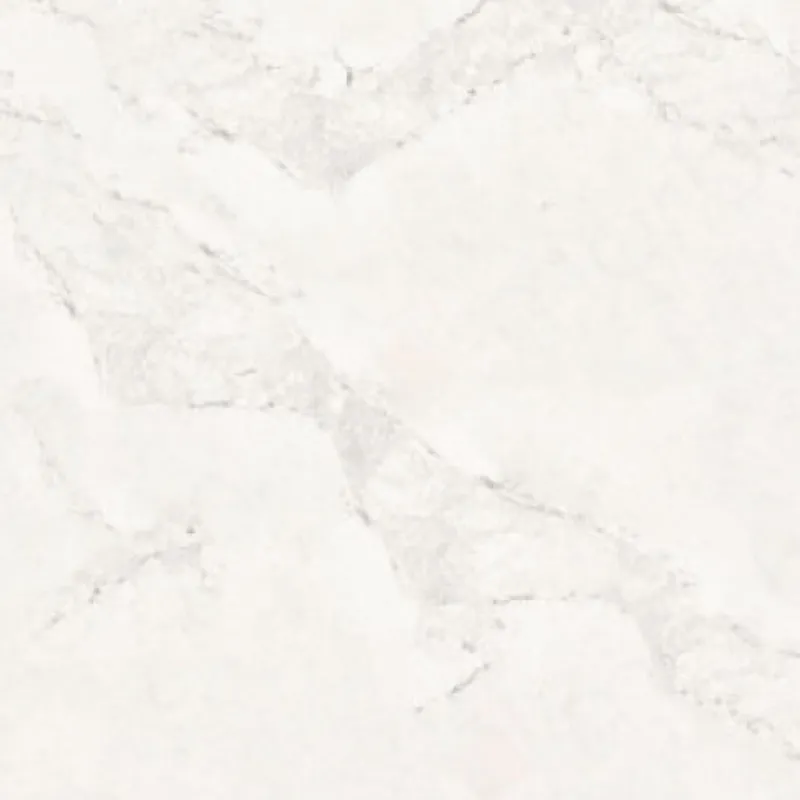
Quartz
Engineered quartz is a non-porous, low-maintenance surface with consistent color and pattern.
- Non-porous surface
- No sealing needed
- Consistent patterns
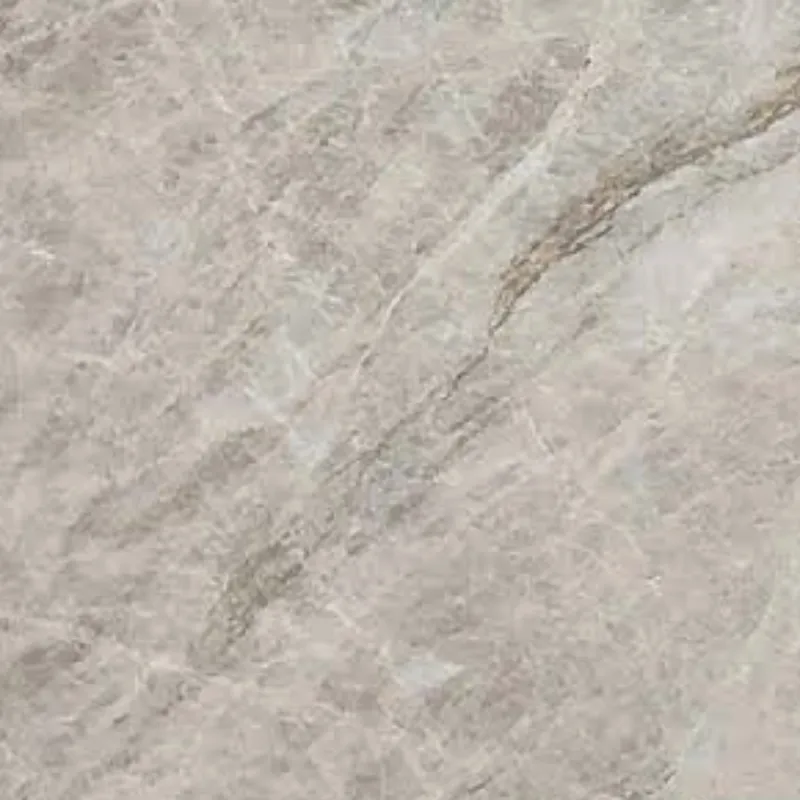
Quartzite
A hard natural stone with the veining of marble and the toughness to handle a busy kitchen.
- Natural stone
- Hard and durable
- Sealing needed

Marble
A classic natural stone known for luminous depth and dramatic veining, best where you accept some patina.
- Classic veining
- Etches from acids
- Sealing needed
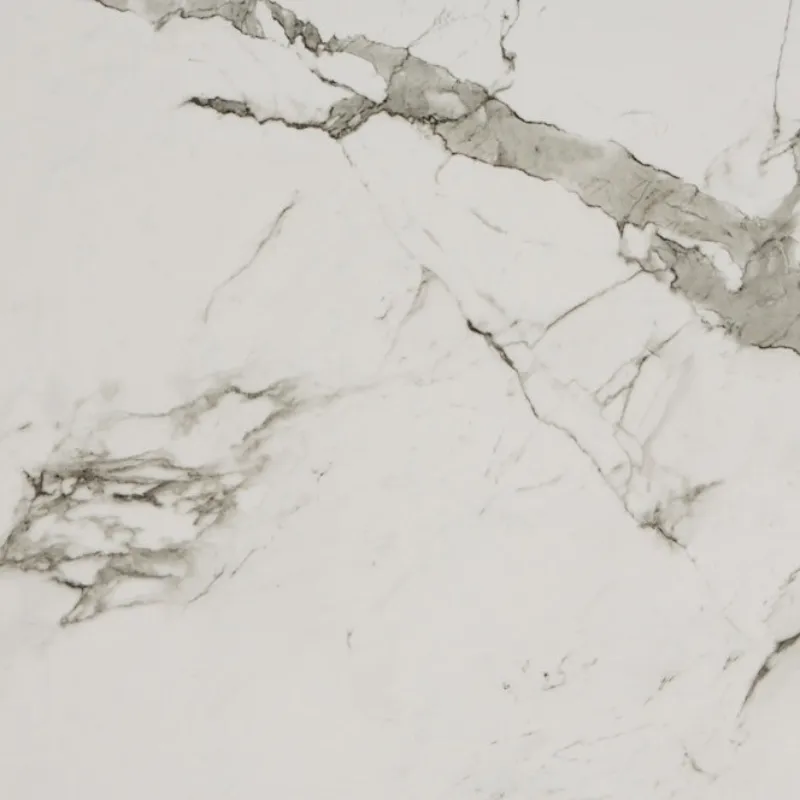
Porcelain
Fired porcelain slabs are heat-proof, non-porous and UV-stable, for indoor and outdoor kitchens.
- Heat resistant
- No sealing needed
- UV stable
Sintered Stone
Natural minerals fused with heat and pressure into a surface with no resins, built for demanding use.
- No resins
- Heat resistant
- Outdoor capable

Granite
A durable natural stone with strong heat tolerance and a one-of-a-kind speckled or veined look.
- Heat tolerant
- Natural stone look
- Sealing needed
Not sure which one fits? Put every material side by side.
Compare All MaterialsNatural Stone Overview
Granite, marble, quartzite and softer stones, each formed by the earth and different on every slab.
Know your material? Get a free quote
Share photos, rough sizes and the material you like. We will help you take the next step.