Materials
Compare All Countertop Materials Side by Side
Quartz, quartzite, marble, porcelain, sintered stone and granite side by side, on heat, stains, sealing, slab size and outdoor use.
The options
Six Materials, One Table
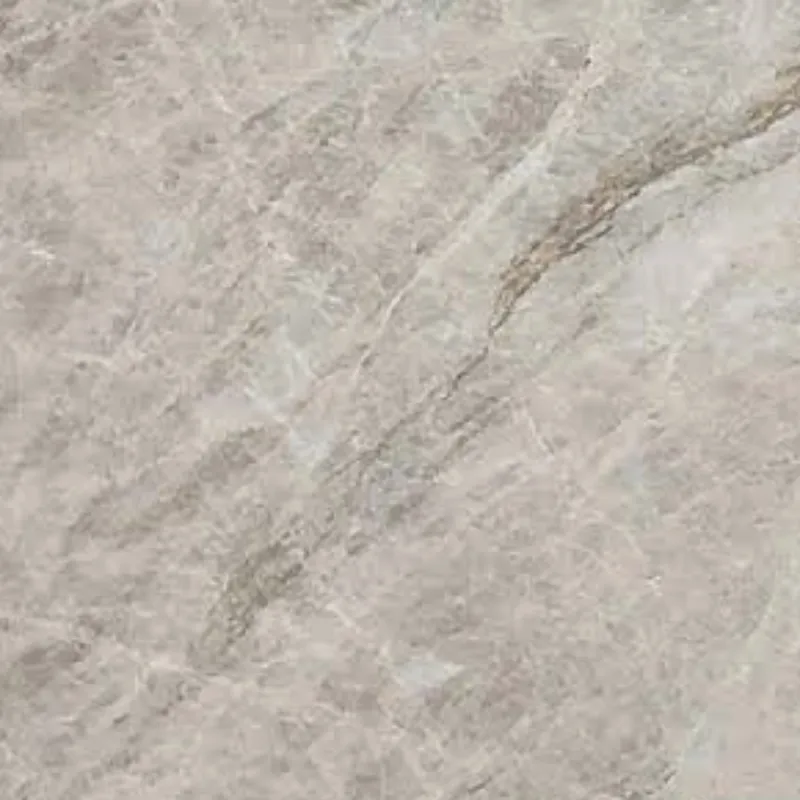


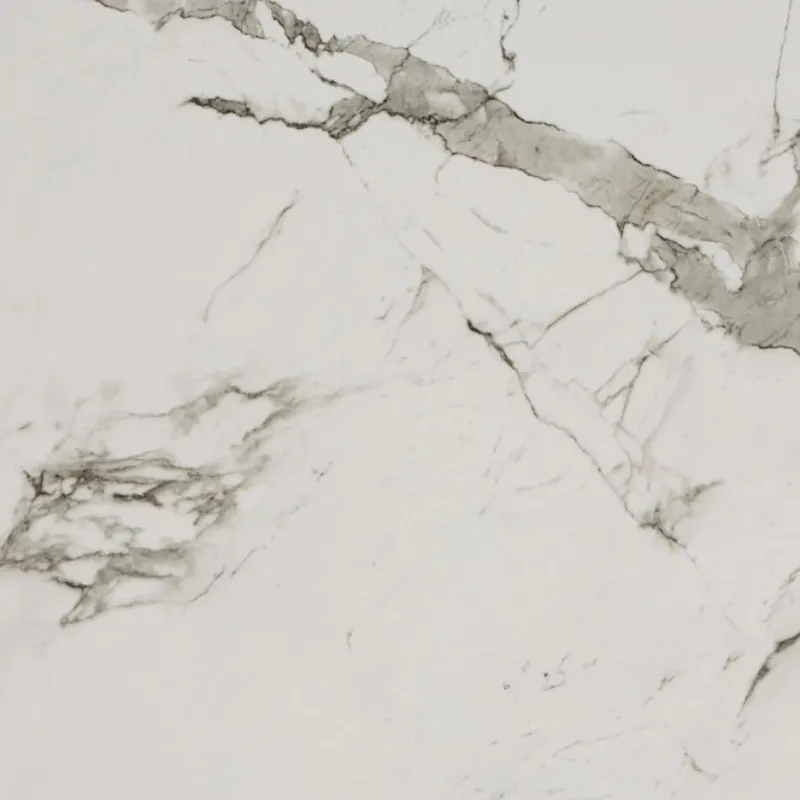
Porcelain
Modern kitchens and outdoor kitchens that need heat and weather resistance.
Read about Porcelain
Side by side
How Each Material Handles Heat, Stains, Sealing, Seams and Outdoor Use
Which one fits your project
Pick what matters most to you. We rank the options using the table below. Nothing is sent anywhere.
Choose at least one priority to see a match.
| Criterion | Quartz | Quartzite | Marble | Porcelain | Sintered Stone | Granite |
|---|---|---|---|---|---|---|
| Heat | Needs care Resin can be damaged by high heat, so use trivets. | Excellent Handles hot pans well. | Good Handles heat, but sudden temperature change can stress it. | Excellent Fired at high temperatures, so hot pans are not a worry. | Excellent Made with no resin and fused with heat, so it tolerates heat very well. | Excellent Formed from cooled magma and very heat tolerant. |
| Stains | Excellent Non-porous, so liquids stay on the surface. | Good Resists stains well when it is kept sealed. | Needs care Oils and pigments can stain, and acids etch the surface. | Excellent Non-porous and resists stains and etching. | Excellent Non-porous and resists stains, scratches and chemicals. | Good Resists stains well when it is kept sealed. |
| Sealing | Excellent Never needs sealing. | Needs care Sealed at install and resealed over time. | Needs care Needs sealing and more frequent upkeep than other stones. | Excellent Never needs sealing. | Excellent Never needs sealing. | Needs care Sealed at install and resealed over time. |
| Seams and slab size | Varies Slab sizes depend on the brand. Ask us which are offered. | Varies Every slab is unique, so seams are planned around the exact slabs. | Varies Veining runs differently in each slab, so we plan seams with you. | Good Large-format slabs can reduce seams on long runs and islands. | Good Large-format slabs can reduce seams on long runs and islands. | Varies Every slab is unique, so seams are planned around the exact slabs. |
| Outdoor use | Needs care Most brands are meant for indoor use. | Good Works outdoors with extra care and more frequent sealing. | Needs care Not recommended outdoors. | Excellent UV-stable and weather-resistant. | Excellent UV-stable and weather-resistant. | Good UV-stable and handles freezing weather, with regular sealing. |
Swipe through the options
- Quartz
Low-maintenance indoor kitchens and baths with consistent color.
- Heat
- Needs care
Resin can be damaged by high heat, so use trivets.
- Stains
- Excellent
Non-porous, so liquids stay on the surface.
- Sealing
- Excellent
Never needs sealing.
- Seams and slab size
- Varies
Slab sizes depend on the brand. Ask us which are offered.
- Outdoor use
- Needs care
Most brands are meant for indoor use.
- Quartzite
Statement kitchens that want marble looks with more toughness.
- Heat
- Excellent
Handles hot pans well.
- Stains
- Good
Resists stains well when it is kept sealed.
- Sealing
- Needs care
Sealed at install and resealed over time.
- Seams and slab size
- Varies
Every slab is unique, so seams are planned around the exact slabs.
- Outdoor use
- Good
Works outdoors with extra care and more frequent sealing.
- Marble
Vanities, baths and islands where patina is welcome.
- Heat
- Good
Handles heat, but sudden temperature change can stress it.
- Stains
- Needs care
Oils and pigments can stain, and acids etch the surface.
- Sealing
- Needs care
Needs sealing and more frequent upkeep than other stones.
- Seams and slab size
- Varies
Veining runs differently in each slab, so we plan seams with you.
- Outdoor use
- Needs care
Not recommended outdoors.
- Porcelain
Modern kitchens and outdoor kitchens that need heat and weather resistance.
- Heat
- Excellent
Fired at high temperatures, so hot pans are not a worry.
- Stains
- Excellent
Non-porous and resists stains and etching.
- Sealing
- Excellent
Never needs sealing.
- Seams and slab size
- Good
Large-format slabs can reduce seams on long runs and islands.
- Outdoor use
- Excellent
UV-stable and weather-resistant.
- Sintered Stone
Outdoor kitchens, heavy use and commercial spaces.
- Heat
- Excellent
Made with no resin and fused with heat, so it tolerates heat very well.
- Stains
- Excellent
Non-porous and resists stains, scratches and chemicals.
- Sealing
- Excellent
Never needs sealing.
- Seams and slab size
- Good
Large-format slabs can reduce seams on long runs and islands.
- Outdoor use
- Excellent
UV-stable and weather-resistant.
- Granite
Heat-heavy kitchens and outdoor spaces.
- Heat
- Excellent
Formed from cooled magma and very heat tolerant.
- Stains
- Good
Resists stains well when it is kept sealed.
- Sealing
- Needs care
Sealed at install and resealed over time.
- Seams and slab size
- Varies
Every slab is unique, so seams are planned around the exact slabs.
- Outdoor use
- Good
UV-stable and handles freezing weather, with regular sealing.
Compare two side by side
| Criterion | Quartz | Quartzite |
|---|---|---|
| Heat | Needs care | Excellent |
| Stains | Excellent | Good |
| Sealing | Excellent | Needs care |
| Seams and slab size | Varies | Varies |
| Outdoor use | Needs care | Good |
Start with your priorities
There Is No Single Best Countertop
The right material depends on what matters most in your kitchen or bath. Most people narrow the field faster by ranking a few priorities, such as upkeep, heat, outdoor use and the look they want, than by comparing every property at once.
Once you have two or three finalists, we can price the same kitchen in each one and arrange slab viewings at a supplier showroom or slab yard, so the final choice is made in front of real slabs.
- Lowest maintenance: quartz or porcelain, both non-porous and never sealed.
- Most comfortable with heat: sintered stone, porcelain or granite. Quartz is the one to protect with trivets.
- Outdoor kitchens: porcelain, sintered stone or granite. Quartzite works outside with more care.
- Most distinctive look: marble for vanities and quartzite for kitchens.
- Best value: granite.
Natural or engineered
One-of-a-Kind Slabs or a Predictable Pattern
Natural stone wins on individuality. Marble has luminous, classic veining, quartzite brings dramatic movement in varieties such as Macaubas Fantasy, and exotic granites such as Blue Bahia and Costa Esmeralda have no engineered equivalent. Every natural slab is unique, so we recommend seeing the actual slabs at a supplier showroom or slab yard before anything is cut.
Engineered surfaces, meaning quartz, porcelain and sintered stone, put consistency first. Their patterns are predictable from slab to slab, which makes them easier to match across a long run, an island and a full height backsplash that need several slabs.
Behind the quote
Every Material Is Fabricated a Little Differently
All six categories go through the same digital templating, but each one asks for different handling. Granite, marble and quartzite need careful slab selection and layout because no two slabs match. Quartz and porcelain are uniform across slabs, but porcelain needs diamond tooling and careful edge work. Sintered stone is the hardest of the group to cut and finish.
So we quote each material on its real handling needs rather than one flat rate. Edge profiles, cutouts and the complexity of the layout affect the final number as much as the material itself.
Pacific Northwest weather
Rain, Freezing Winters and Summer Sun
Outdoor kitchens around Seattle see long wet seasons, occasional hard freezes and strong summer sun. Porcelain and sintered stone handle that combination best: both are non-porous and stable in UV light. Granite is a durable natural option outdoors, and quartzite can work with more frequent sealing.
Engineered quartz and marble are not recommended outdoors: most quartz is made for indoor use only, and marble is soft and stains easily.
Questions
Choosing a Material: Your Questions Answered
Tell us about your project and get a free quote
Share photos, rough sizes and the material you like. We will help you take the next step.